
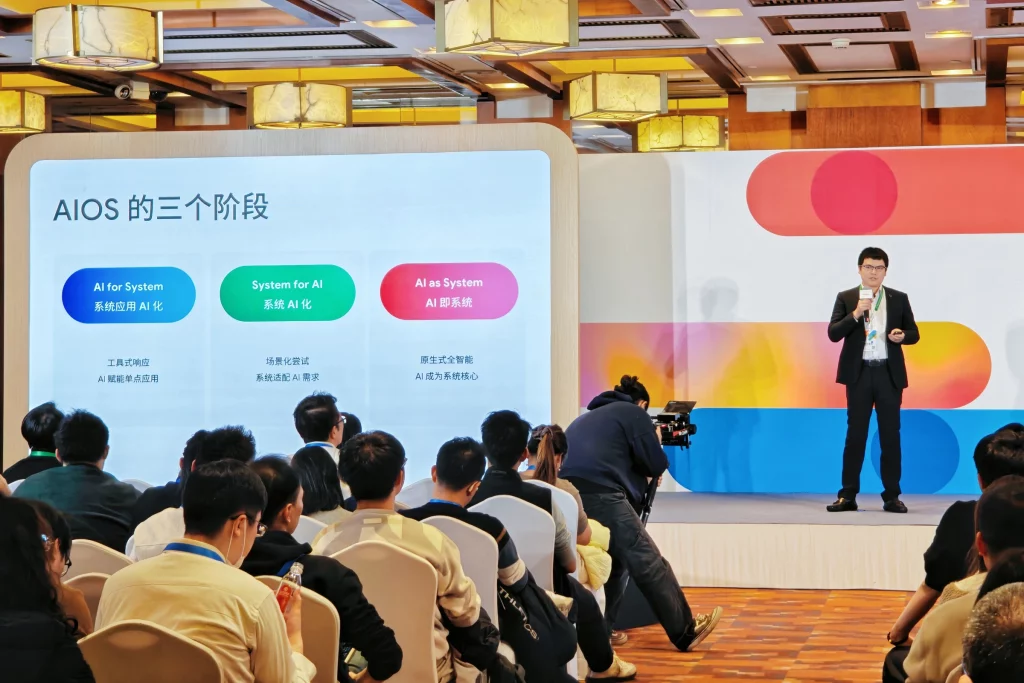
Smartphones are quietly evolving. They’re no longer just screens we tap, they’re becoming companions that remember, anticipate, and adapt. At the Google Cloud Export Summit in Beijing, OPPO revealed how it plans to lead this shift with its vision for a next-generation AI Operating System, or AIOS built on two bold ideas: Memory Symbiosis and Privacy Protection.
In simple terms, OPPO wants your phone to think more like you do while respecting your boundaries.
A Phone That Remembers Like You Do
Today’s AI features are impressive, yet fragmented. We save notes in one app, photos in another, voice memos somewhere else and then forget where everything went. OPPO’s answer is AI Mind Space, a system-level “second brain” that stores and connects your memories across text, images, and voice.
Powered by Google Gemini, it doesn’t just archive information. It understands it. You can ask natural questions like “What was that café I photographed last month?” and your phone can answer using your own memories.

This intelligence flows into two other features:
- AI Search – Find anything across apps using everyday language.
- AI Suggest – A proactive assistant that reads context and memory to offer timely, relevant help before you even ask.
Together, they form a living system: memory feeds search, search informs suggestions, and everything adapts to you
Intelligence Without Intrusion
With smarter devices comes a familiar worry: privacy.
OPPO’s response is its Private Computing Cloud (PCC), built with Google Cloud’s Confidential Computing. Think of it as a secure extension of your phone into the cloud, where data can be processed without being exposed. Your information remains usable, but unseen.
It’s a quiet promise: AI can be powerful without being invasive.
Beyond Apps, Toward an Ecosystem
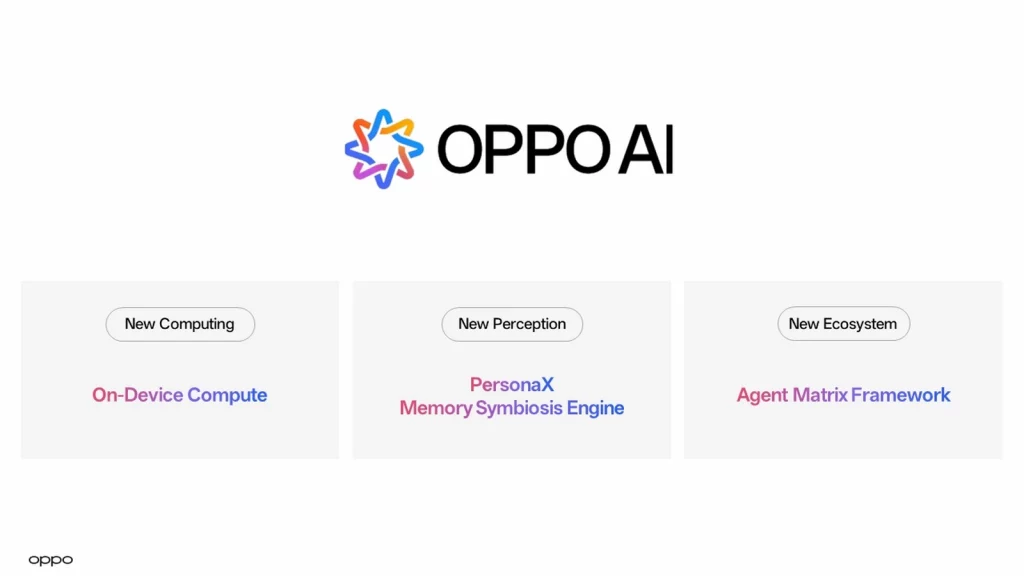
OPPO’s AI strategy rests on three pillars; New Computing, New Perception, and a New Ecosystem, supported by on-device computing, the PersonaX memory engine, and an Agent Matrix framework. In practice, this means breaking down the walls between apps and enabling “Agent-to-Agent” collaboration across platforms.
The goal? A seamless experience where services talk to each other, anticipate your needs, and work in harmony without sacrificing trust.


More Stories
HONOR’s Humanoid Robots Are Coming to Malaysia, Here’s Where You Can See Them in Action
HONOR Masih No. 1 Tablet Android di Malaysia, Kini Siri Pad 20 Pula Bakal Tiba
HONOR Is Turning Malaysia Into a Photographer’s Playground in 2026